When a tooth is severely damaged by deep decay, large fillings, or trauma, the delicate nerve inside can become inflamed or infected. Left untreated, a dying nerve leads to severe pain, bone infections, abscesses, and the risk of swelling spreading to other parts of the body. At Hallam Dental Clinic, our dentists are attentive and precise, delivering a smooth, stress-free experience from start to finish. We are highly competent in both first-time Root Canal Treatment (RCT) and Root Canal Re-treatment (Re-RCT), focusing on clearing your infection, eliminating your pain, and saving your natural tooth from extraction.
1. First-Time Root Canal Treatment (RCT) Saving a natural tooth is always the preferred choice. Retaining your original tooth maintains your natural biting strength, prevents adjacent teeth from shifting out of alignment, and makes daily cleaning much easier. Root canal therapy boasts an incredibly high clinical success rate of 85% to 95%.
What to Expect During the Procedure
Root canal therapy is a meticulous process usually completed over a few comfortable visits, depending on the complexity of the tooth’s roots and the level of infection.
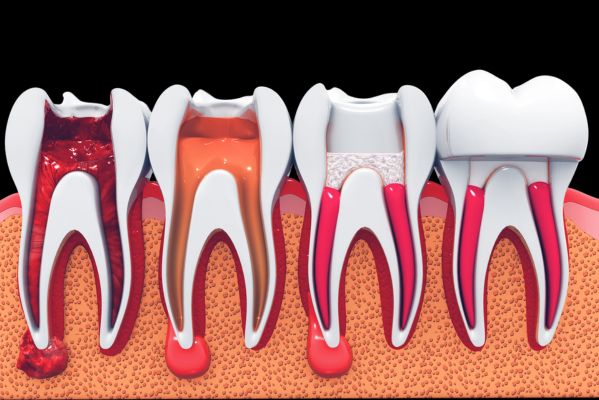
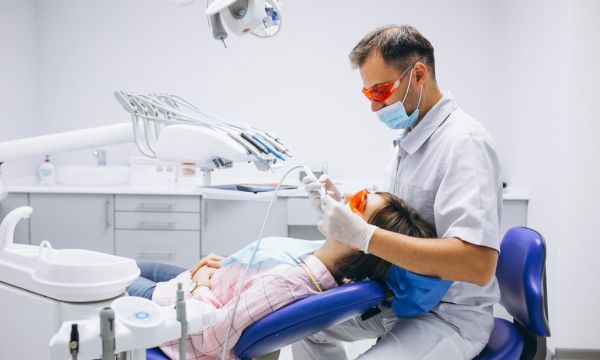
Comfort and Isolation: Under a safe local anaesthetic, your dentist completely numbs the tooth for a relaxed, pain-free experience. We use specialized protective isolation to keep the area sterile and safe.
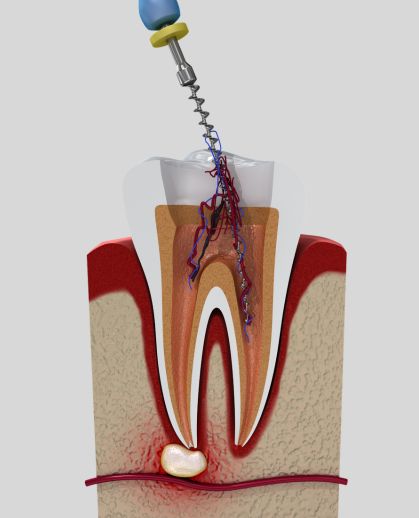
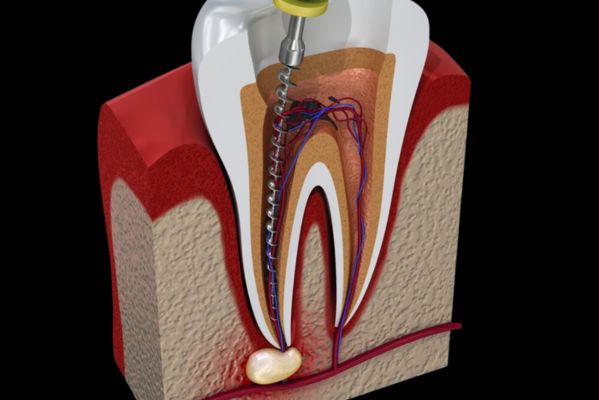
Cleaning and Access: A small opening is made in the top of the tooth. Using highly precise, fine instruments (files), the dentist gently clears out the infected pulp from inside the root canals.
Disinfection: The interior canals are thoroughly rinsed with antibacterial solutions and filled with healing medication to eliminate the deep-seated infection.
Temporary Sealing: A temporary filling is placed to securely seal the tooth until your next appointment. Any mild post-visit tenderness usually subsides within a few days and can be easily managed with standard over-the-counter pain relief.
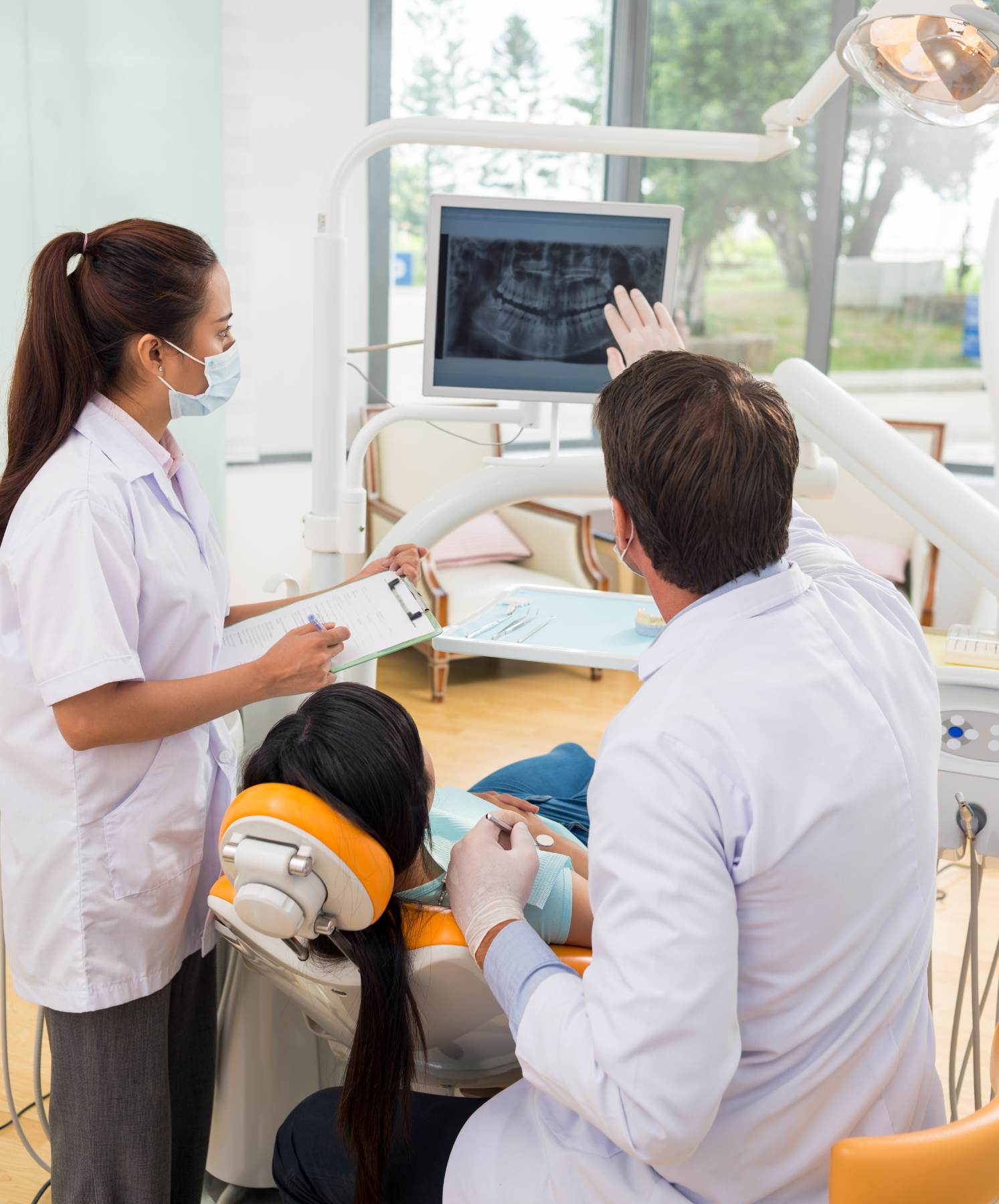
The Final Seal: Once the infection is completely cleared, the dentist uses digital X-rays to precisely measure the roots, then fills and permanently seals the canals to block out future bacteria.
2. Root Canal Re-Treatment (Re-RCT) In some cases, a tooth that underwent a root canal years ago can become re-infected. This can happen due to hidden, curved anatomy, a cracked restoration that let bacteria leak back inside, or delayed final crown placement. How Re-RCT Works At Hallam Dental Clinic, we are highly experienced in treating these complex cases through Re-RCT.
Our dentists carefully remove the old root filling materials, re-enter the microscopic canals, and use advanced disinfection techniques to eliminate the new bacterial strain.
For highly complex structural or anatomical cases, we will discuss all options with you, which may include a coordinated referral to an endodontic specialist to ensure the absolute best outcome for your tooth.
3. Protecting Your Treated Tooth: The Dental Crown A tooth that has undergone root canal therapy loses its internal blood supply, causing the remaining tooth structure to become brittle and highly prone to fracturing under normal chewing pressure.
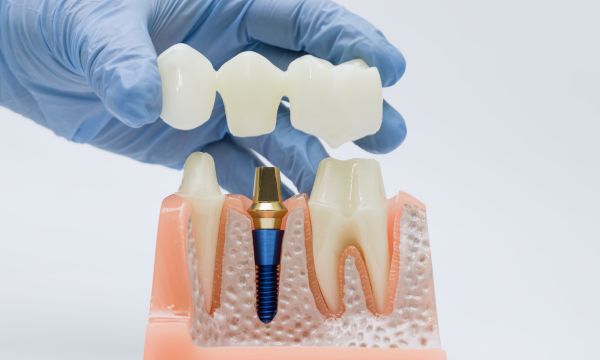
The Core Build-Up: If a significant amount of your natural tooth was lost to old decay, your dentist may securely place a small supportive post inside the sealed canal to anchor the tooth.
The Final Crown: To ensure long-term success and prevent the tooth from splitting apart, your dentist will recommend capping it with a custom, tooth- coloured porcelain or ceramic crown. This permanently seals the interior, restores full chewing function, and brings back its natural appearance.
4. Risks and Clinical Considerations While modern root canal therapy is highly predictable, all medical and dental procedures carry minor biological risks:
File Fractures: Because root canal cleaning instruments are incredibly fine and flexible to navigate tight, curved roots, a file can occasionally break inside a canal. If this occurs, we utilize precise techniques to retrieve it or safely seal it within the root.
Root Perforation: In rare instances involving highly calcified or severely curved roots, a small accidental wear-through (perforation) can occur in the side of the root wall, which we treat with advanced sealing minerals.
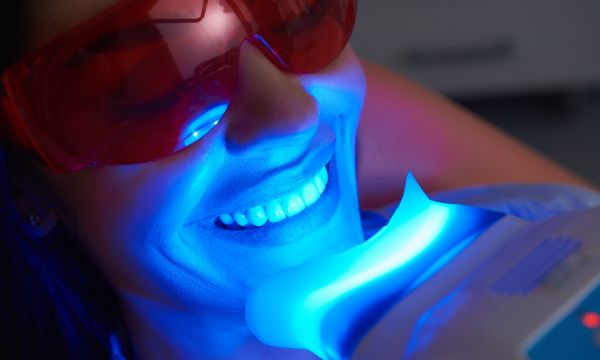
Temporary Discolouration: A tooth can occasionally lose some of its natural whiteness after the nerve is removed. This is easily corrected later with internal bleaching, a composite veneer, or a porcelain crown.