When a tooth is severely cracked, weakened, or missing, it can affect your bite, speech, and smile confidence. According to Australian clinical guidelines, protecting compromised teeth early prevents fractures and avoids the need for complete tooth removal.
Dental crowns and bridges are premium, permanent restorations designed to return full strength and natural beauty to your smile.
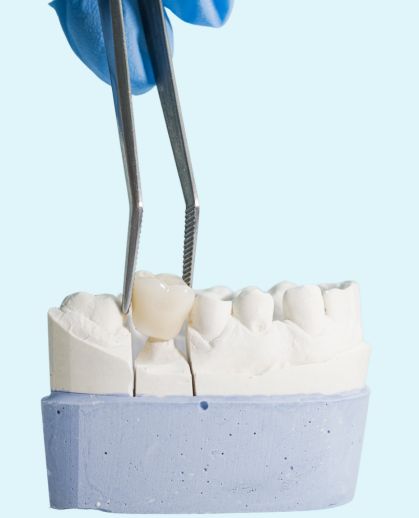
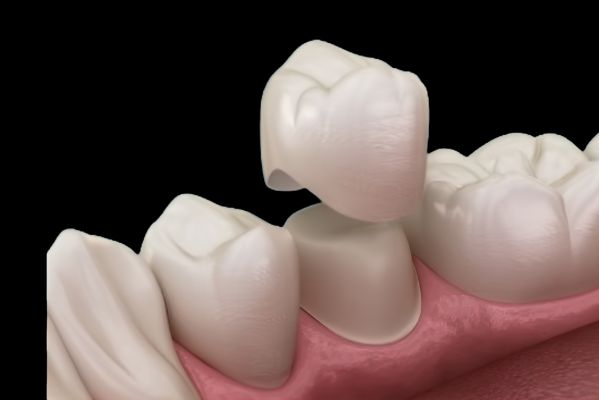
1. What is a Dental Crown? A dental crown (often called a ‘cap’) is a custom-made, permanent restoration that completely encases a damaged or weakened tooth. It is permanently cemented into place and meticulously shaped to match the size, color, and texture of your natural teeth.
When a Crown is Recommended
Structural Support: Protects a weak or fractured tooth from breaking apart.
Large Fillings: Replaces massive fillings when there is not enough natural tooth left.
Post-Root Canal Care: Caps and seals a tooth after a root canal to keep it from turning brittle.
Cosmetic Enhancement: Disguises severely discolored, misshapen, or poorly aligned teeth.
Implant Finishing: Serves as the final artificial tooth placed on top of a dental implant.
2. What is a Dental Bridge?
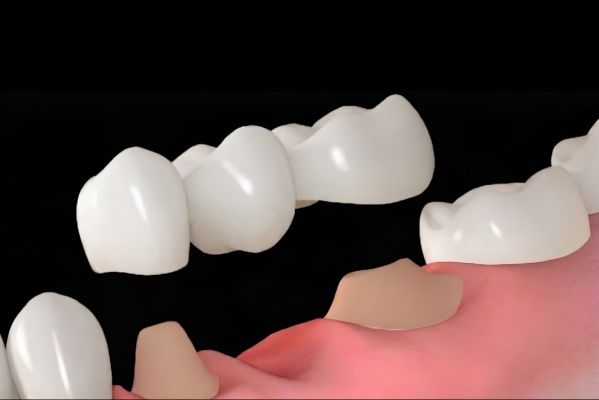
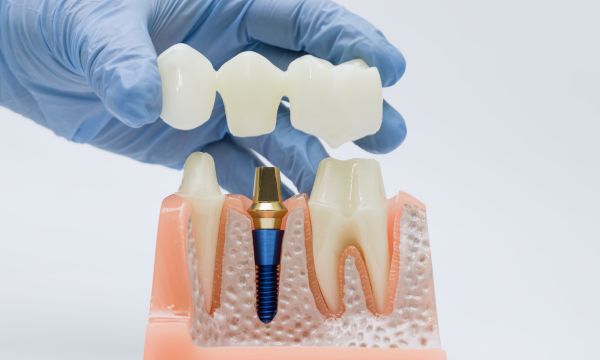
A dental bridge is a fixed restoration used to seamlessly bridge the gap left by one or more missing teeth. It relies on sturdy anchor points on either side of the space for maximum stability. Common Types of Bridges
Traditional Bridge: Crowns are placed on the healthy teeth next to the gap, holding a fake tooth (pontic) securely between them.
Cantilever Bridge: Used when there is an anchoring tooth available on only one side of the missing gap.
Maryland Bridge: A conservative option where the new tooth is held in place by a discreet framework bonded to the back of the neighboring teeth.
3. The Treatment Journey: Step-by-Step
At Hallam Dental Clinic, all of our general dental practitioners are fully qualified to design and place premium crowns and bridges. The process is smooth and typically completed over two comfortable visits.
Preparation Phase (Before the Procedure)
Essential Clean: A professional dental clean is mandatory at least 4 weeks prior to any crown or bridge work on your front teeth. Healthy gums ensure a perfect, flush fit at the gumline.
Optional Whitening: If you wish to brighten your smile, whitening must be completed before making the crown so we can match the porcelain to your new, brighter shade.
Visit 1: Shaping and Temporary Fit
Gentle Shaping: Under a local anesthetic, the tooth is gently reshaped to make precise room for the new crown. If an old filling underneath looks worn, we will replace it first with your consent.
Digital Impressions: Detailed molds of your teeth and bite are taken and sent to a local dental laboratory.
Temporary Crown: You will be fitted with a temporary crown to protect your tooth while your permanent one is being custom-crafted. Visit 2: Final Placement
The Perfect Fit: The temporary crown is removed, and your new permanent crown or bridge is placed.
Bite Checking: Your dentist will carefully check your bite and alignment. Your comfort is our priority—how the tooth feels to you is the most important final step!
Final Bonding: Once the fit is perfect, it is permanently cemented into place.
4. Longevity, Care, and Potential Risks Modern dental materials like ceramic and zirconia are incredibly durable and built to last for many years. While a lifetime guarantee is impossible due to natural aging, excellent care ensures outstanding longevity.
How to Care for Your Restoration
Daily Maintenance: Brush twice daily and use specialized floss (like Superfloss) to clean thoroughly underneath a dental bridge.
Temporary Care: While wearing a temporary crown, chew on the opposite side of your mouth and avoid sticky or very hard foods.
Protect Your Investment: Wear a custom night splint if you grind your teeth, and avoid using your teeth as tools (such as opening bottles or biting nails). What to Expect and Potential Risks
Temporary Sensitivity: Mild sensitivity to hot or cold is completely normal and usually fades within a few days to a month.
Decay and Gum Protection: While the crown cannot decay, the natural tooth underneath and around the margins still can. Poor cleaning can lead to gum infections or nerve irritation, which may rarely require a root canal.
Accidental Detachment: Under heavy, unusual forces, a crown can sometimes come loose. If the crown remains undamaged, your dentist can easily re-cement it for you.