

Hallam Dental

Knowledge Hub

Preventative Oral Care & Health Determinants

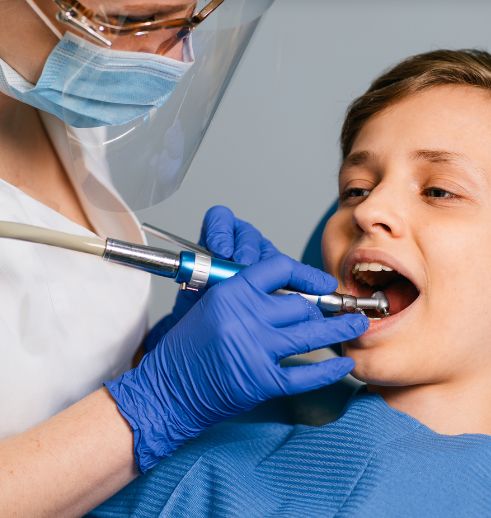
At Hallam Dental Clinic, our dentists are attentive and precise, delivering a smooth,stress-free experience from start to finish. We believe that optimal oral health is built on active prevention rather than just treating problems after they appear. As general dentists, we are highly competent in preventative therapies, helping you establish a lifelong foundation for a healthy smile.

1. What is Preventative Dental Care?
Preventative dental care focuses on maintaining healthy teeth and gums to stop issues like tooth decay, gum disease, and enamel wear before they develop. Identifying and managing conditions early significantly reduces your need for complex, invasive, and costly treatments in the future.

Key Components of Prevention

  • Daily Oral Hygiene: Brushing your teeth twice a day with fluoride toothpaste,flossing daily to remove hidden plaque, and cleaning your tongue to eliminate bacteria and bad breath.
  • Regular Dental Visits: Attending six-monthly professional cleanings to clear away hardened tartar, along with routine examinations and digital X-rays to detect structural issues invisible to the naked eye.
  • Preventative Treatments: Utilizing professional fluoride applications to strengthen enamel, applying protective fissure sealants to the deep grooves of molars, and wearing custom-fitted sports mouthguards to avoid physical trauma.
  • Healthy Lifestyle Choices: Limiting sugary foods or acidic drinks, drinking plenty of fluoridated tap water, and completely avoiding tobacco products which trigger advanced gum disease.

2. Familial, Social, and Educational Influences

Your oral health is not determined by brushing alone—it is heavily shaped by your family background, lifestyle, environment, and personal knowledge.

Familial Factors (Home and Genetics)

  • Genetic Predisposition: Some individuals naturally inherit a higher risk for weaker enamel, crowded alignment, or aggressive gum disease.
  • Household Habits: Growing up in a home where brushing, flossing, and regular dental visits are a standard routine firmly establishes positive lifelong habits.
  • Domestic Diet: The frequent availability of sugary snacks, juices, or soft drinks in the household directly increases the rate of childhood tooth decay.

Social and Environmental Factors

  • Affordability and Access: Financial barriers often cause individuals to delay routine check-ups. Physical location or long waiting times can also restrict access to essential dental services.
  • Cultural Attitudes: Certain communities traditionally view dental visits as something only required during acute pain, rather than utilizing proactive, routine prevention.
  • Support Networks: Active encouragement from family, friends, or workplace wellness networks significantly aids individuals in maintaining positive health habits.

Educational Factors

  • Health Literacy: Understanding exactly how to clean your mouth effectively and recognizing how hidden sugars feed destructive dental plaque.
  • Risk Awareness: Knowing the direct medical link between lifestyle choices—such as smoking and frequent alcohol intake—and severe conditions like advanced periodontitis or oral cancer.


3. Other Critical Determinants of Oral Health

General Medical Health

  • Systemic Conditions: Diseases like Diabetes significantly lower your body’s resistance to infection, dramatically increasing your risk of severe gum disease.
  • Medication Side Effects: Many common prescription medications list dry mouth (reduced saliva flow) as a side effect. Without adequate saliva to naturally wash away acids, your risk of rapid cavity development increases.

Psychological Factors

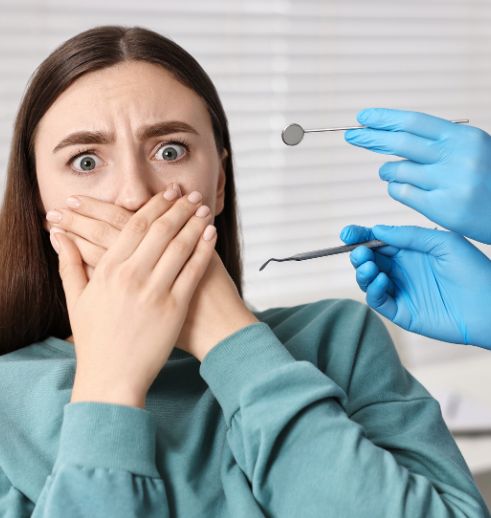
  • Clinical Anxiety: Deep-seated fears or phobias regarding dental chairs lead to complete avoidance of care, allowing minor problems to progress into major dental emergencies.
  • Stress Responses: Chronic daily stress frequently manifests as involuntary nighttime teeth grinding (bruxism), leading to fractured enamel, worn-down teeth, and jaw joint dysfunction.

Overcoming Dental Phobia

At Hallam Dental Clinic, our dentists are attentive and precise, delivering a smooth,stress-free experience from start to finish. We understand that dental anxiety is a very real challenge for many people. As general dentists, we are highly competent in assisting anxious patients, ensuring you can access vital healthcare in a completely safe, welcoming environment.

What is Dental Phobia?
Dental phobia is an intense fear or deep anxiety related to visiting the dentist or receiving dental treatment. It is much more overwhelming than general nervousness and can occasionally cause individuals to avoid the dentist for years, even when they are experiencing chronic pain.

Common Signs and Symptoms

  • Emotional Distress: Feeling panicky, anxious, or deeply distressed before or during an appointment.
  • Sleep Disrupted: Having trouble sleeping or feeling tense the night before a dental visit.
  • Physical Responses: Experiencing a rapid heartbeat, heavy sweating, or feeling faint when thinking about the clinic.
  • Sensory Sensitivity: Increased sensitivity to the common sounds, smells, or physical sensations inside a dental practice.
  • Total Avoidance: Postponing or completely skipping essential dental care despite having obvious oral problems.

What Causes Dental Anxiety?

  • Previous painful, uncomfortable, or traumatic dental experiences during childhood.
  • A deep-seated fear of dental pain or local anesthetic needles.
  • A feeling of vulnerability or a perceived loss of physical control while reclining in the dental chair.
  • Acute embarrassment regarding the current condition of your teeth or gums.
  • Overarching general anxiety or a fear of sterile medical environments.

How Hallam Dental Clinic Can Help You
Our entire clinical team is thoroughly experienced in supporting anxious individuals.We never rush our patients, and we intentionally tailor our pace to keep you completely at ease.

  • Attentive Listening: We sit down with you to listen to your specific fears and thoroughly explain every step of your procedure before we begin.
  • Patient-Led Control: We establish clear, agreed-upon “stop signals” (such as raising your left hand). If you need a break at any point during your treatment, we stop immediately.
  • Advanced Numbing: We utilize premium topical numbing gels to gently pre- numb your gums before administering local anaesthetics, making the process virtually unnoticeable.
  • Calming Support Options: We offer guidance on basic relaxation techniques, pacing out your treatment across shorter appointments, or discussing safe sedation options where appropriate.

Practical Steps You Can Take

  • Speak Up openly: Inform our reception team and your dentist about your fears when booking. We are here to support you, never to judge you.
  • Strategic Timing: Schedule your dental appointments at a time of day when you feel most refreshed and least stressed.
  • Bring a Companion: You are always welcome to bring a trusted support person or family member into the treatment room with you.
  • Paced Introduction: Start your journey with simple, non-invasive appointments—such as a basic visual consultation or a gentle clean—to naturally rebuild your clinical confidence.

Why Overcoming Your Fear Matters
Avoiding routine dental care allows minor, hidden issues to quietly progress into severe infections, chronic pain, and tooth loss. This ultimately requires more complex, lengthier treatments to fix. By partnering with our compassionate team, we can break the cycle of anxiety together, protecting both your beautiful smile and your overall bodily wellbeing