When you lose teeth to decay, injury, or gum disease, your facial muscles can sag, and chewing or speaking can become difficult. Replacing missing teeth is essential to keep your remaining teeth from shifting and to maintain your nutritional health. At Hallam Dental, we are highly competent in this treatment and specialize in crafting personalized solutions that look like your natural teeth and restore your smile’s function.
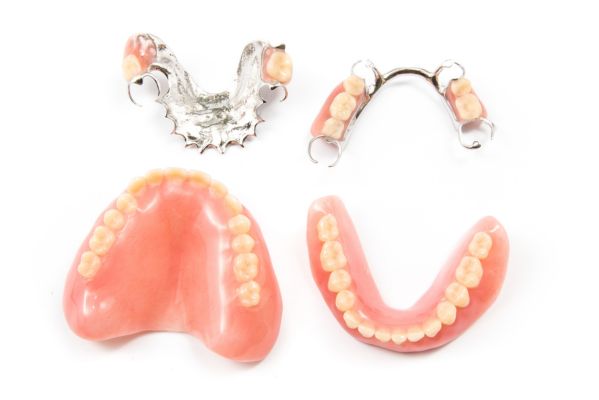
1. Types of Dentures We Offer Dentures are carefully constructed using high-quality materials, such as durable acrylic (plastic), flexible nylon, or a strong cobalt-chrome metal framework.
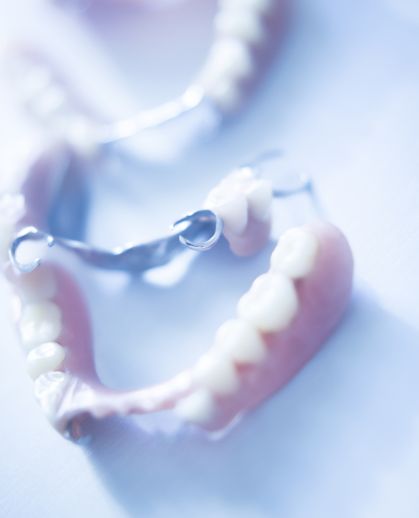
Partial Denture: Used if you still have some healthy natural teeth left. It fills the gaps and physically stops your remaining teeth from tilting or drifting out of place.
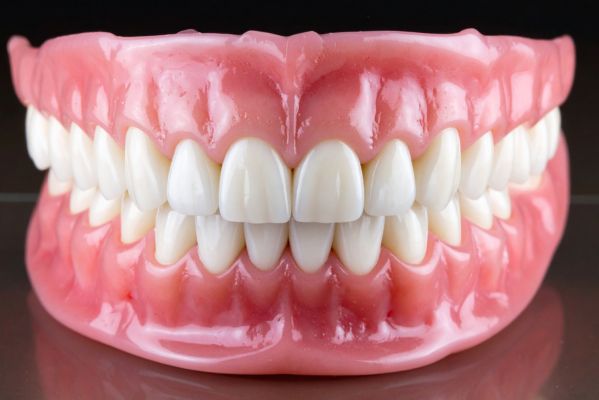
Full (Complete) Denture: Replaces an entire row of missing teeth on either your upper jaw, lower jaw, or both.
Immediate Denture: Inserted into your mouth on the exact same day your failing teeth are removed. This ensures you never have to walk out of our clinic without teeth while your gums heal.
Overdenture: A denture designed to fit securely over a few dental implants or extra stability.
2. How Dentures Stay Secure
Clasps: Partial dentures use small clips that wrap around your natural teeth. You can choose metal clasps for maximum strength, or discreet, tooth- coloured plastic clasps for aesthetics.
Note: Tooth-coloured clasps are more fragile than metal and have a higher risk of snapping over time, which may require a repair fee.
Natural Suction: Full upper dentures rely on the natural suction created between the appliance and the roof of your mouth (palate).
Denture Adhesive: Your dentist may occasionally recommend a safe dental glue or cream to give you an extra boost of confidence and hold.
3. The Fabrication Journey Our experienced team ensures getting a permanent denture is a precise, comfortable process that requires 3 to 5 smooth appointments to assess your bite, take measurements, and custom-craft the appliance.
Initial Health Assessment: We thoroughly check your gums, bone, and remaining teeth. Any underlying decay or gum disease must be treated first to create a stable foundation.
The Immediate Exception: If you receive an immediate denture on the day of an extraction, your jawbone and gums will naturally shrink as they heal. Because of this, immediate dentures are a temporary solution and must be professionally relined or replaced with a permanent denture in 3 to 6 monthsat an additional cost.
4. Risks, Limitations, and Complications Every mouth is unique, and adapting to a removable appliance is a physical journey.
The Adaptation Period: A new denture will feel strange or bulky at first. Lower dentures generally take much longer to get used to than upper dentures. While we make every effort to restore your natural look, achieving perfect facial contour support is not always biologically possible.
Retention Factors: The hold of your denture depends heavily on your natural bone shape, saliva quality, and muscle control. If you suffer from dry mouth, your denture may lose suction more easily and cause minor gum irritation.
Wear and Tear: Acrylic denture teeth will naturally wear down or chip over time. If you accidentally drop your denture onto a hard surface, it can crack. These issues can be fixed, but repairs incur additional fees.
Please note: If you are unable to adapt to your new denture after several months of adjustments, the clinical cost of fabrication is non-refundable.
5. Critical Daily Aftercare and Maintenance
Sore Spot Adjustments: It is completely normal to experience minor gum soreness or small ulcers within the first 24 to 48 hours. Simply contact us, and your dentist will gently trim the denture to relieve the pressure. It may take a few appointments to achieve a perfectly comfortable fit.
Nightly Rest: Never wear your dentures to bed. Your gums need 8 hours of rest every day to breathe. Leaving dentures in overnight breeds fungal infections (like thrush) and accelerates jawbone shrinkage.
Cleaning Routine: Food easily gets trapped under the appliance. Rinse your denture after meals. Twice a day, brush it thoroughly over a sink filled with water (so it doesn’t break if dropped) using mild soap and warm water. Do not use regular toothpaste, as it scratches the plastic and allows bacteria to grow.
Long-Term Changes: Your jawbone naturally changes shape over time. To keep your denture fitting perfectly, it will need a professional reline or a total replacement every 3 to 7 years.
6. Alternative Options If a removable denture does not align with your lifestyle goals, your dentist will gladly discuss fixed alternatives, including:
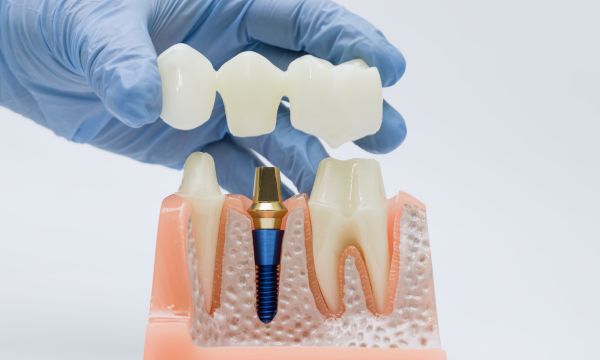
Fixed Dental Bridges: Permanently bonded to your natural teeth.
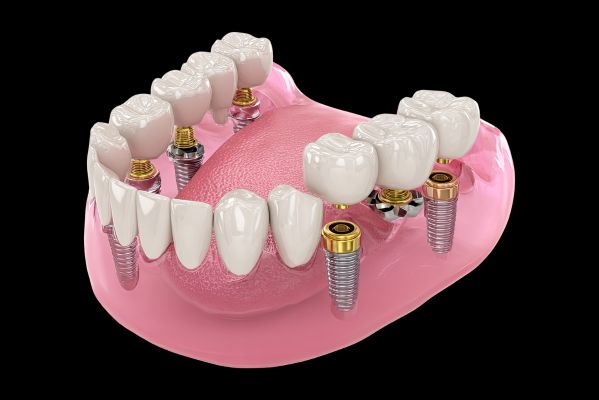
Dental Implants or All-on-X: Permanent, non-removable teeth anchored into the jawbone.
No Treatment: Leaving the gap open, which may cause your other teeth to shift out of alignment.